Bandersnatch
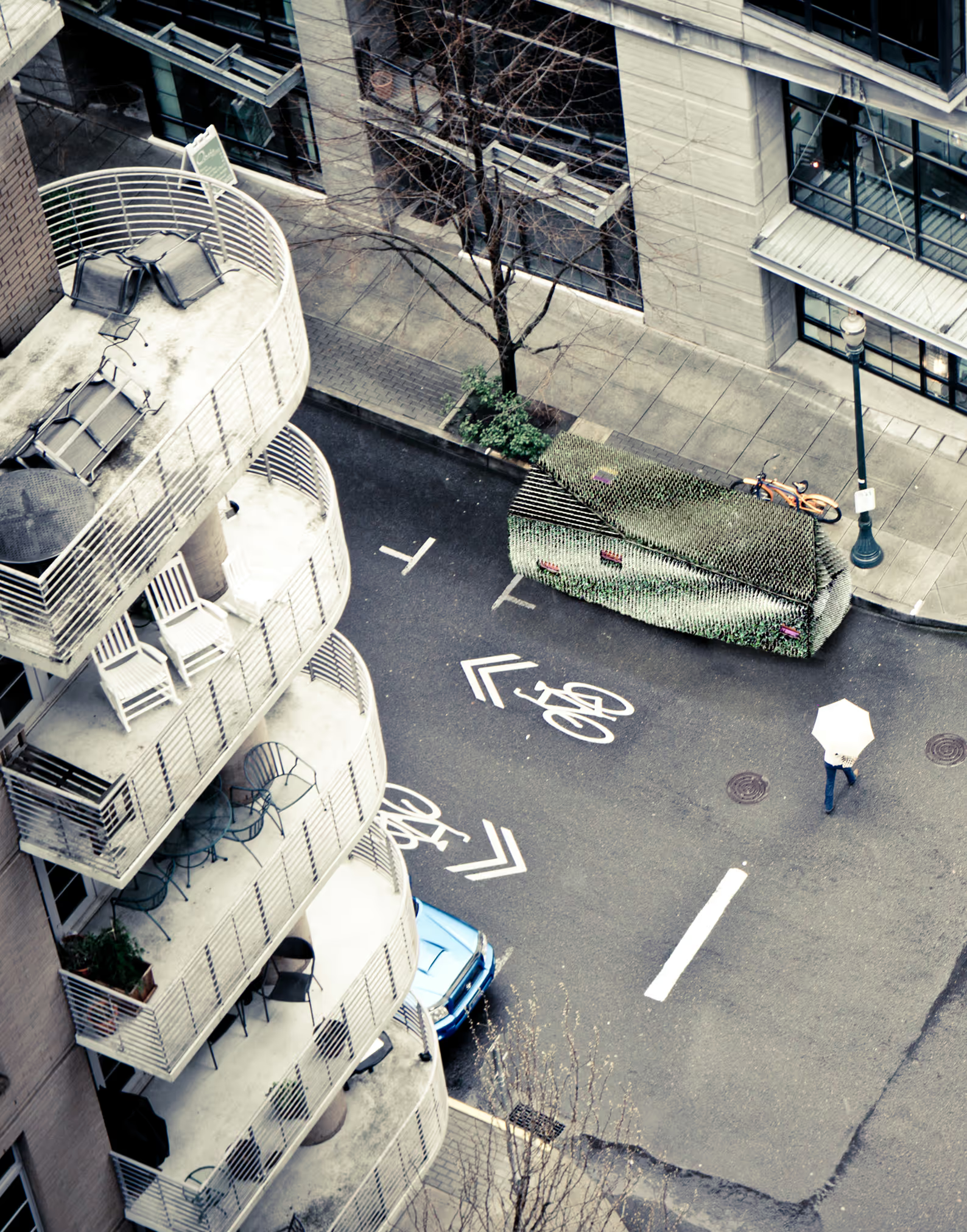
Bandersnatch is a mini-monumental floating signifier, one that humbly offers a spot to come in from the rain.
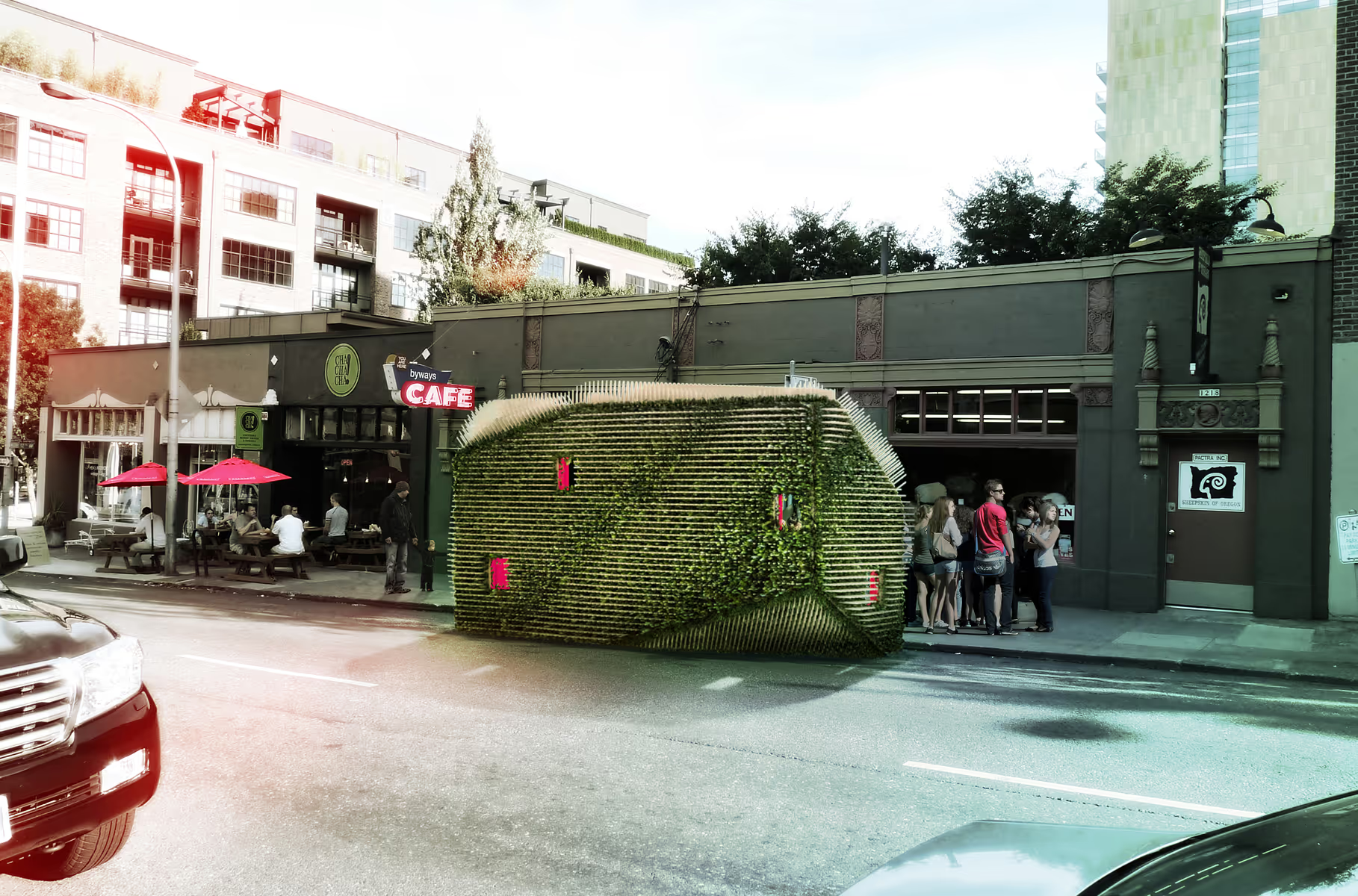
This pop-up parklet (designed to occupy a standard parallel parking space) winks at the postmodern project of textual communication, choosing instead to drop hints sub-linguistically via memory and free-association. Neither entirely hedgehog, camping trailer, pin cushion, pinecone, geode, nor Chia Pet, it is a little bit all-of-the-above (and then some). Representing and indexing nothing, it absorbs rather than emits meaning, welcoming diverse interpretations.
Named after a mysterious critter in Lewis Carroll’s nonsense poem ‘The Jabberwocky,’ Bandersnatch is emphatically anti-prototypical. It dwells in the liberated territory of the one-off, certain that heterogeneity is fundamental to the success of the parklet concept. We would not recommend a Bandersnatch roll-out. Though a tiny bit stubbornly individualistic, this oddball critter is polyamorous, welcoming diversity and soliciting odd encounters.
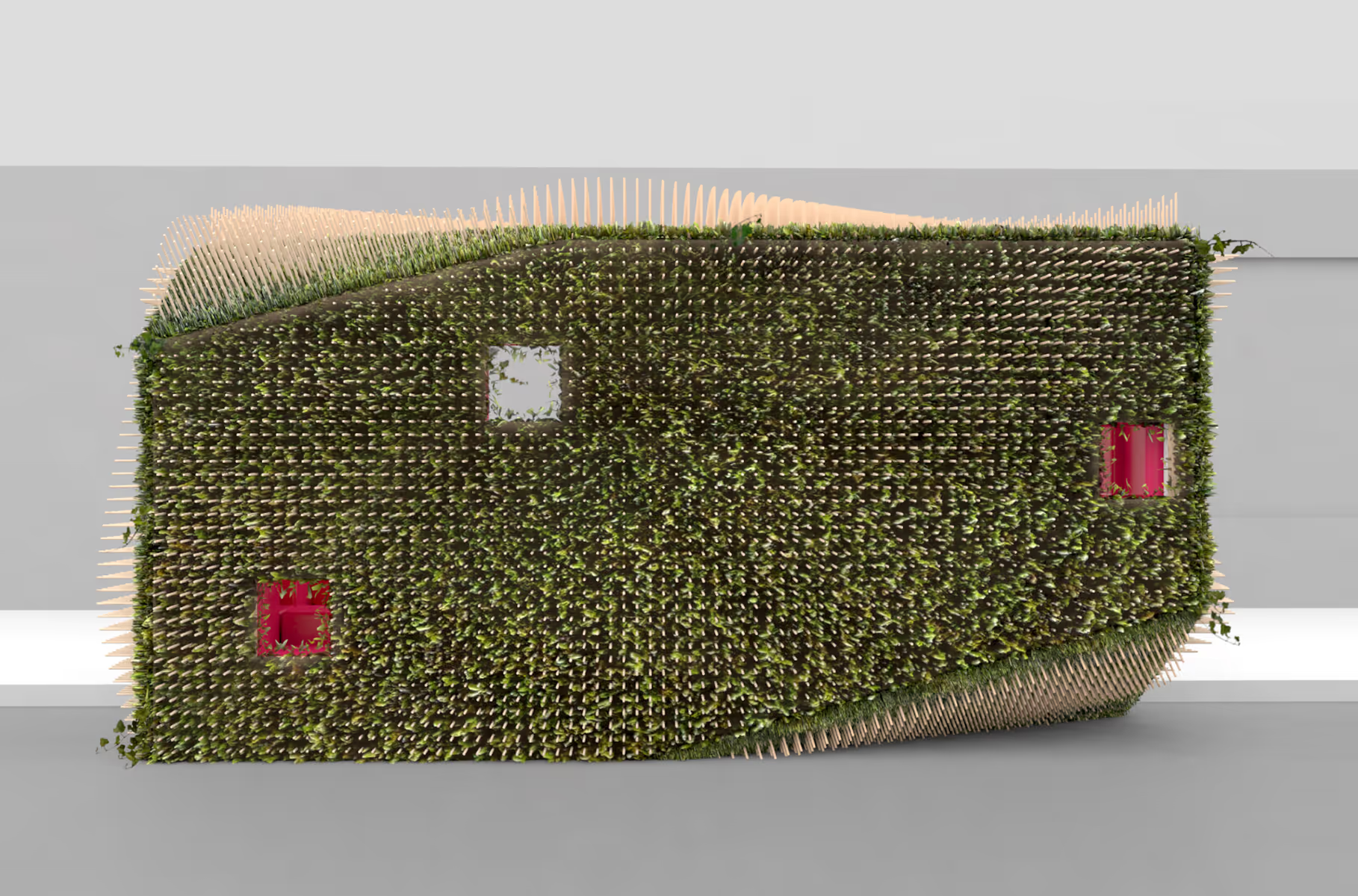
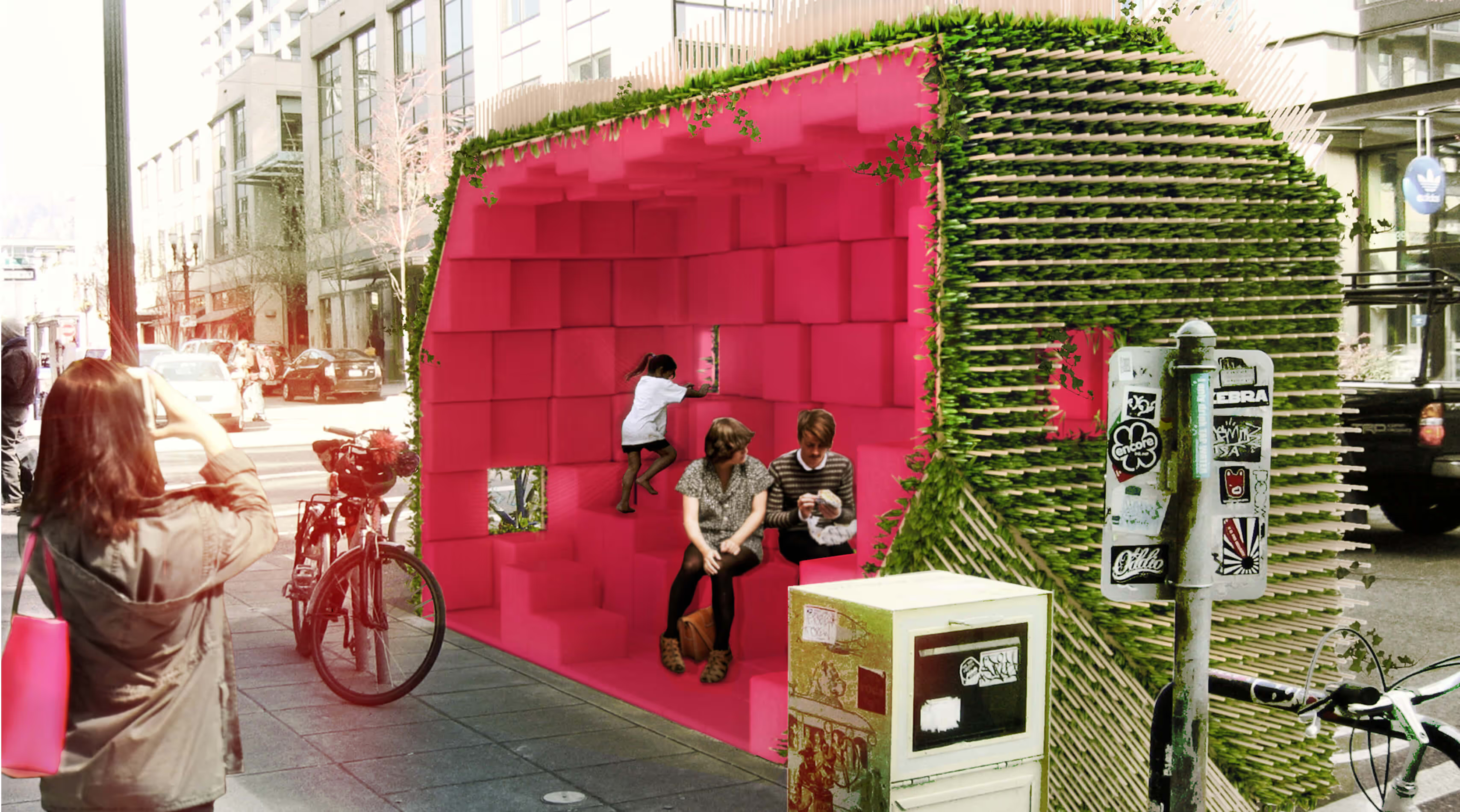
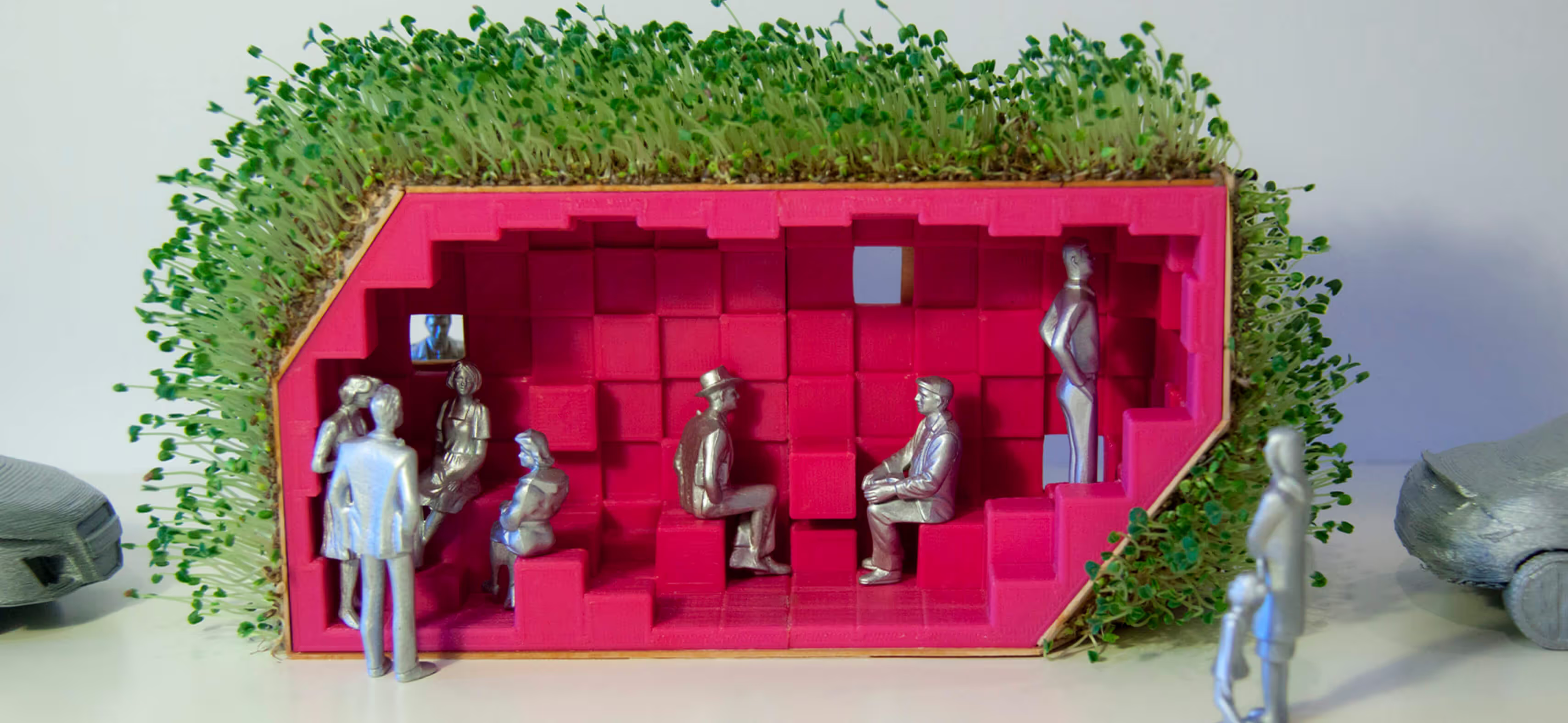
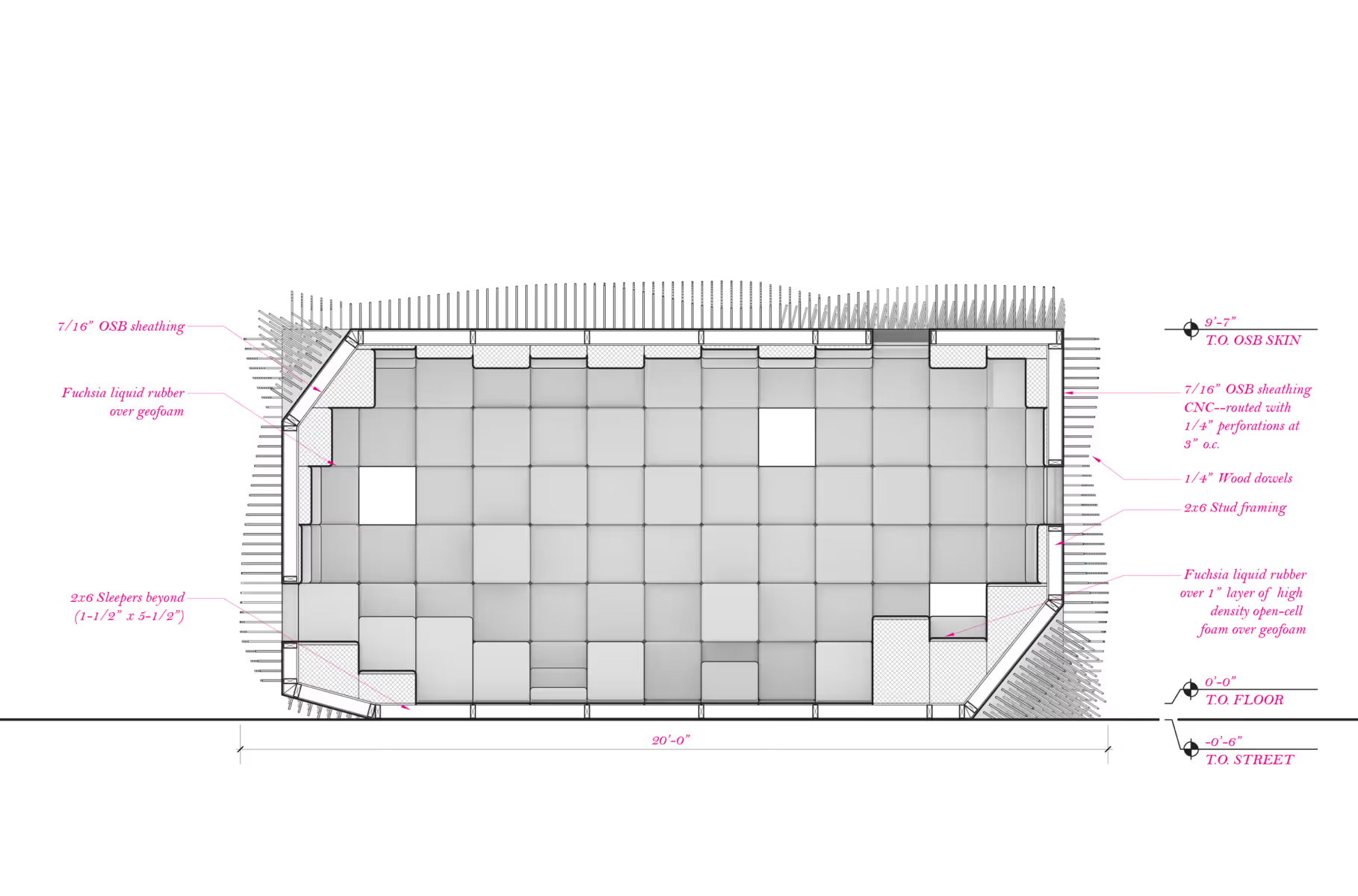
Instead of sequestering softscape within timid planters, Bandersnatch invites a super-sized vegetal takeover. ‘Planters’ are nominally included herein to satisfy Department of Transportation guidelines, but these nodes act as a springboard for broader, more encompassing and vivacious growth. An array of wooden ‘quills’ describes a curvaceous second skin that is both sensuous and bristly, but its true origin is more pragmatic: rather than being forced to patiently wait for climbing vines to become fully established, these ‘quills’ allow more mature plant life to be ‘pre-strung’ from the recessed root nodes and across the project’s prismatic form.
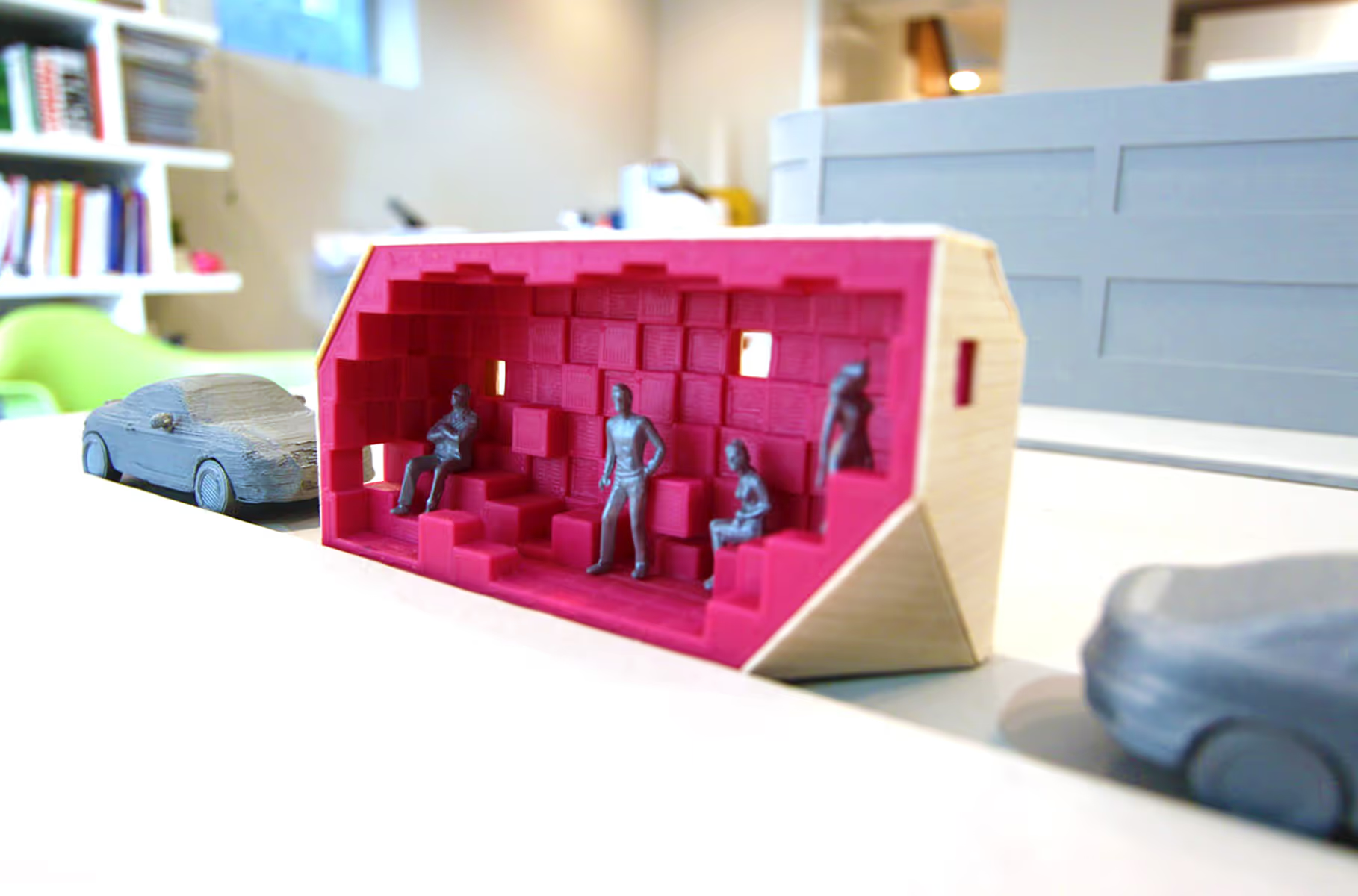
Bandersnatch revels in to-be-looked-at-ness. Cleaved open at the sidewalk’s edge, its proscenium entry renders the theatre of the sidewalk exuberantly explicit, engendering reciprocal relationships between performer and viewer. Its interior surfaces, coated in a ubiquitous membrane of fuchsia liquid rubber, offer a radical chromatic and tactile departure from both hardscape and softscape, producing a new third space. The hyper-encompassing and highly synthetic visual quality of the interior attempts to decontextualize and reframe the city beyond. Much as the white walls of the gallery elevate the 'ready-made' to an object status that invites close reading, Bandersnatch seeks to shake us just a little bit outside of our comfort zone and heighten our awareness of the wonderful spectacle that is urbanism.